
Finding toys that actually meet your kid's sensory needs
A sensory toy that doesn't match your kid's specific need is just clutter in the toy bin.
Kids with sensory processing needs aren’t all seeking the same thing — some crave vestibular input like spinning and swinging, others need tactile feedback in their hands, and some need visual input to calm down after overload. The toys that actually get used daily are the ones matched to the right sensory channel, built sturdy enough for repeated intense use, and simple enough that a 3-year-old can self-direct with them without an adult managing every session.
- Match the sensory channel, not just the label “Sensory toy” is a marketing catch-all — a spinning chair (vestibular) and a fidget slug (tactile) solve completely different regulation needs, so identify what your kid actually seeks before buying.
- Weight capacity and base stability matter more than price Spinning chairs get used hard and fast during dysregulation, so a wobbly base or low weight rating turns a calming tool into a tip-over hazard.
- Budget tactile toys punch above their price A $9.99 fidget pack can deliver the same in-the-moment stress relief as pricier options, making it the right starting point for families still figuring out what works.
- Visual and tactile tools work better as calm-down aids than activity toys Sensory tubes and scoops aren’t built for intense stimming sessions — they’re best positioned in a quiet corner as a settling ritual after overload, not as the primary regulation tool.

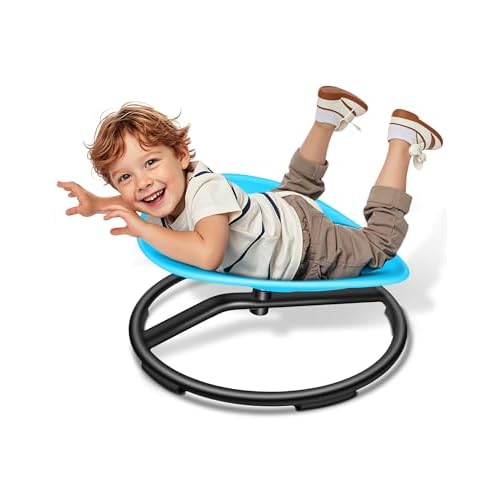


Best Overall: Sensory Spinning Chair For Kids With Autistic, Sit And Spin Toy Age 3+
Best 360° vestibular spin chair
360° spinning motion trains balance and eases car, sea, and air sickness, while the steel base supports up to 220 lbs for safe, intense vestibular inp
- Steel base feels genuinely stable during fast, hard spinning
- 220 lb weight limit means it lasts through toddler years into bigger kids
- Price point makes it easy to try without a big commitment
- Rhythmic motion helps with car and motion sickness beyond just play
- No padding on the seat for longer sessions
- Spinning motion can get loud on hard flooring
- Some assembly required out of the box
Best Premium: FERUERW Spinning Chair for Autistic Kids, Autism Sensory Toy Gifts
Best premium therapy-grade spin chair
Therapist-grade 360° spinning calms overactive sensory input, with a reinforced anti-tip base and BPA-free, CPSIA-certified build for ages 3-12.
- Reinforced base noticeably reduces wobble during aggressive spinning
- Wider age range means one chair covers more years of use
- Materials feel closer to what OTs use in clinical settings
- Certified build gives extra peace of mind for daily household use
- Nearly $26 more than the Best Overall pick for similar core function
- Bulkier footprint takes up more floor space
- Still not padded, so long sessions can get uncomfortable
Best Budget: Cevioce Fidget Slug Toy 3Pcs Autism Sensory Toys
Best budget travel fidget
A pocket-sized 3D articulated slug wriggles and clicks in hand, giving budget-friendly tactile stress relief for sensory seekers on the go.
- Three toys in one pack means backups when one gets lost or left at school
- Small enough to keep in a bag, pocket, or car door for on-demand use
- Satisfying click-and-wiggle motion holds attention during stressful moments
- Low enough cost to buy multiples for home, car, and classroom
- Plastic joints can loosen with heavy daily flexing
- Small parts aren’t appropriate for kids who still mouth toys
- Doesn’t address vestibular or visual sensory needs at all
Best for Tactile Play: Learning Resources Helping Hands Sensory Scoops
Best for tactile sensory bins
Four uniquely shaped scoops let kids pour, sift, and funnel sensory bin materials, building fine motor control with easy-grip, toddler-sized handles.
- Easy-grip handles work well for kids still developing hand strength
- Variety of scoop shapes keeps sensory bin play from getting repetitive
- Doubles as a fine motor skill builder, not just a stim toy
- Durable plastic holds up to rice, beans, and water bin use
- Requires a sensory bin setup to be useful, adding cost and mess
- Not something a kid can use independently without supervision around small fill materials
- Doesn’t travel well compared to fidget-style options
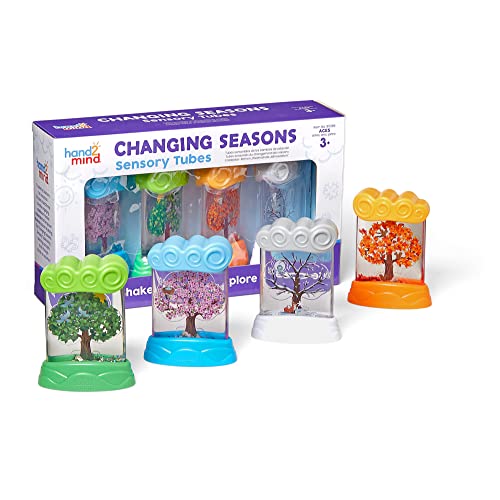
Best for Visual Calming: hand2mind Changing Seasons Sensory Tubes
Best for visual calm-down time
Seasonal shake-and-swirl tubes give predictable, screen-free visual motion that helps kids self-regulate, refocus, and settle into calm corners.
- Predictable, slow-moving visuals genuinely help with refocusing after a meltdown
- No batteries, screens, or noise means it works in any quiet space
- Seasonal variety keeps the visual novelty from wearing off
- Sealed tube design means no mess or spill risk
- Passive tool — doesn’t give the physical output some sensory seekers need
- Contents can settle or separate over time with heavy shaking
- Less effective for kids who need tactile or vestibular input specifically
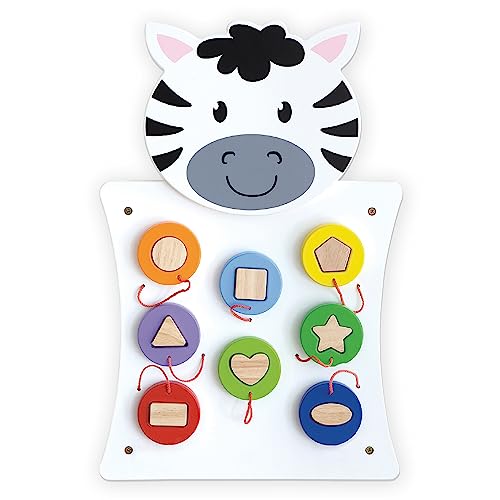
Runner Up: SPARK & WOW Zebra Activity Wall Panel, Shape Toy for Ages 18m+
Runner-up wall-mounted sensory panel
A wall-mounted shape-matching panel delivers hands-on tactile and visual engagement at kid height, with a sturdy non-toxic build free of choking hazar
- Mounted at kid height means no setup or supervision needed to start playing
- Combines tactile and visual engagement in a single toy
- Sturdy build holds up to repeated daily use without loosening
- Doubles as early shape and problem-solving practice
- Permanent wall mount means it’s not portable between rooms
- Younger toddlers may need help distinguishing similar shapes at first
- Installation requires drilling into a wall, which renters may not want
Side-by-side comparison
|
Best Overall
Sensory Spinning Chair For Kids With Autistic, Sit
|
Best Premium
FERUERW Spinning Chair for Autistic Kids, Autism S
|
Best Budget
Cevioce Fidget Slug Toy 3Pcs Autism Sensory Toys f
|
Best for Tactile Play
Learning Resources Helping Hands Sensory Scoops
|
Best for Visual Calming
hand2mind Changing Seasons Sensory Tubes, Science
|
Runner Up
SPARK & WOW Zebra Activity Wall Panel, Shape toy f
|
|
|---|---|---|---|---|---|---|
|
|
|
|
|
|
|
|
| Sensory Type | Vestibular | Vestibular | Tactile | Tactile | Visual/Auditory | Tactile/Visual |
| Age Range | 3+ | 3-12 | 3+ (small parts) | 3+ | 3+ | 18m+ |
| Weight Capacity | 220 lbs | Not listed (reinforced base) | N/A | N/A | N/A | N/A |
| Portable | No | No | Yes | No | Yes | No |
| Price | $37.79 | $67.99 | $11.99 | $17.89 | $24.99 | $59.51 |
| BUY NOW | BUY NOW | BUY NOW | BUY NOW | BUY NOW | BUY NOW |
What to look for in Sensory-Friendly Toys for Kids with Sensory Processing Needs
Sensory needs generally fall into vestibular (movement/balance), tactile (touch/texture), visual, or auditory categories, and most kids lean heavily toward one or two.
Spinning and rocking toys take a beating during real regulation sessions, often used harder and faster than a showroom demo suggests.
Sensory toys get gripped, chewed, and dropped far more than typical toys, especially with younger or oral-sensory-seeking kids.
Some sensory tools need to travel with the kid — school, car, waiting rooms — while others work better as a dedicated calm-down station at home.
Some sensory tools work completely unsupervised, while others need an adult to set up materials or monitor small parts.
How do I know if my kid needs vestibular, tactile, or visual sensory toys?
Watch what they gravitate toward naturally — kids who spin themselves, rock, or seek out swings usually need vestibular input, while kids who constantly touch textures, chew, or fidget with objects are tactile seekers. Kids who stare at moving light or repetitive visuals during overwhelm often respond best to visual calming tools. Many kids need a mix, so starting with one lower-cost option per category is a reasonable way to test.
Are spinning chairs safe for kids with sensory processing disorder?
Yes, when used on a stable, wide base rated for the child’s weight and placed on flat, non-slip flooring. Vestibular input through controlled spinning is a common technique used in occupational therapy, but it should be introduced gradually rather than all at once, since some kids can get overstimulated or dizzy if sessions run too long.
What's the difference between the two spinning chair options?
The Sensory Spinning Chair (Best Overall) uses a steel base rated to 220 lbs at a lower price point, making it the practical starting choice. The FERUERW chair (Best Premium) adds a reinforced anti-tip base and CPSIA certification aimed at sustained daily therapeutic use, which justifies the roughly $26 price difference for families using it heavily.
Can sensory toys replace occupational therapy?
No — sensory toys support day-to-day self-regulation but aren’t a substitute for occupational therapy when a child has diagnosed sensory processing disorder or autism-related sensory needs. They work well as tools between therapy sessions or as part of a home sensory diet recommended by an OT, not as a standalone treatment.
The bottom line
- Sensory Spinning Chair: the best-value entry point for vestibular regulation with a genuinely sturdy steel base.
- FERUERW Spinning Chair: worth the premium for families needing a therapy-grade chair for daily use.
- Cevioce Fidget Slug 3-Pack: the lowest-risk way to test tactile stimming needs for under $10.
- Learning Resources Sensory Scoops: the right upgrade for an existing sensory bin setup, adding fine motor practice.
- hand2mind Sensory Tubes: a reliable screen-free calm-down tool for the quiet corner, not an active regulation toy.
- SPARK & WOW Zebra Activity Wall Panel: an always-accessible tactile station for kid height, if you're comfortable mounting it.
The Sensory Spinning Chair is the smartest first purchase for most families, delivering real vestibular regulation at a price that makes it easy to justify. Families who know they’ll use a spinning chair daily should step up to the FERUERW for its reinforced base, while the Cevioce fidget pack is the cheapest way to test whether tactile input is what your kid actually needs.
Leave a Reply